Building a new home is exciting, but it also involves hundreds of decisions. You need plans, permits, materials, workers, inspections, schedules, and clear communication. Without one person guiding the work, small mistakes can turn into delays, added costs, or jobs that must be done again. A general contractor manages the project from the first site steps through the final checks. This person helps keep crews, deliveries, building rules, and deadlines working together. The goal is not just to finish the house. It is to make sure each stage supports the next one. Hiring a general contractor gives you one clear point of contact and helps your new home build stay organized from foundation work to the final coat of paint.
How One General Contractor Keeps Your Build On Track
A new house has many moving parts, and they must happen in the right order. The foundation cannot be poured before site work and forms are ready. Framing cannot begin until the concrete has gained enough strength. Plumbing and electrical rough-ins must fit inside the framing before walls are closed. A general contractor builds the schedule around these links.
The contractor also checks when materials, crews, and inspections are needed, so one task does not block another. This matters because a delay in one trade can affect several jobs after it. Instead of calling each worker yourself, you have one main person tracking the full project. That makes it easier to know what is finished, what comes next, and what needs attention. Good project control also reduces idle time and helps keep the home build moving in a clear, steady order.
Plan Your New Home Build Early To Avoid Costly Delays
Strong planning starts before heavy work begins. A general contractor reviews drawings, site access, utility locations, drainage needs, and the planned construction sequence. This early review can reveal issues that are easier to fix on paper than on the jobsite. For example, poor equipment access can slow excavation, while an unclear window size can delay framing or ordering.
The contractor can also create a realistic schedule for long-lead items such as windows, doors, cabinets, trusses, and electrical gear. Ordering these items too late may leave crews waiting. Early planning also helps connect the budget with the design. If a material or detail changes, the contractor can explain how that choice may affect labor, timing, or later work. This gives you better information before approving changes and reduces last-minute decisions during construction.
How Contractors Schedule Skilled Trades For Smooth Builds
A home is built by many different trades. Each crew has its own job, but their work often overlaps. The general contractor keeps these crews working in a useful sequence and checks that one trade does not create trouble for another.
Typical Construction Timeline For New Home Builds
- Excavation, footing, and foundation work
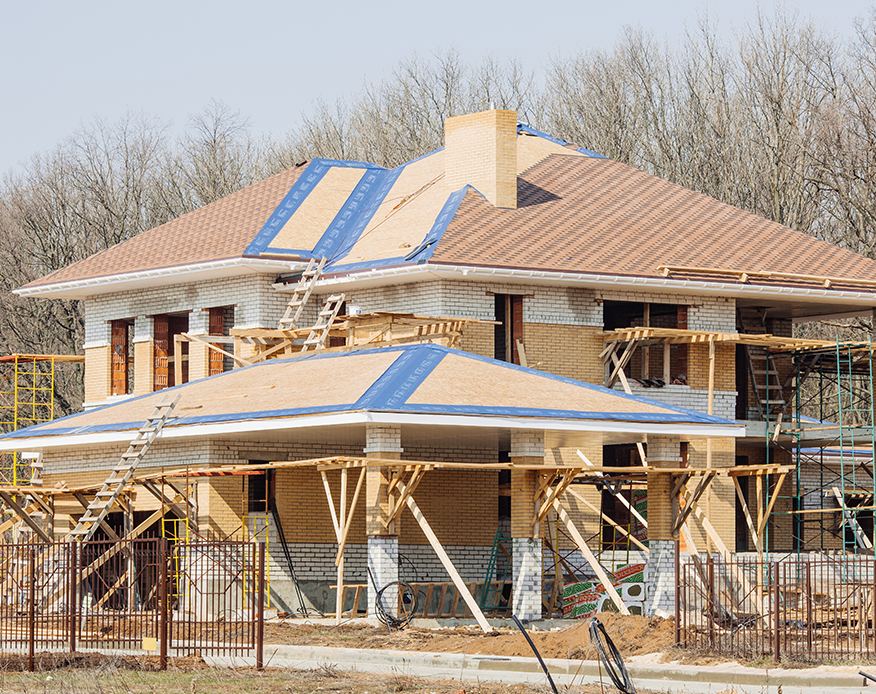
- Framing, roofing, windows, and exterior weather protection
- Plumbing, electrical, and HVAC rough-ins
- Insulation, drywall, cabinets, trim, paint, and finish work
The exact order can change by project, but the links between jobs still matter. For example, an HVAC duct may need space that plumbing also wants to use. A contractor can spot this conflict before both systems are installed. Coordination also helps crews know when the site is ready for them. This lowers confusion, limits rework, and helps each trade complete its part without damaging finished work from another crew.
Managing Building Codes And Permits During New Builds
New homes must follow local building rules, and the project may need several permits and inspections. Requirements can cover structural work, electrical systems, plumbing, energy use, fire safety, setbacks, and other parts of the build. A licensed general contractor knows how these steps fit into the construction schedule.
The contractor can help submit required documents, prepare the site for inspections, and respond when an inspector asks for a correction. Inspections usually happen at key stages, such as foundation work, framing, rough plumbing, rough electrical, insulation, and final completion. Missing an inspection can cause delays because finished surfaces may need to be opened later. Code rules also change over time, so current requirements matter. Having one contractor track permits, inspection dates, and correction items helps keep the project moving and makes it less likely that an important approval step will be missed.
Choosing Home Build Materials That Perform For Years
Materials do more than change how a home looks. They also affect how the house handles water, heat, daily use, and future upkeep. A general contractor can explain where certain materials make sense based on the plans and local conditions. For example, exterior flashing must direct water away from wall openings. Roofing underlayment adds another layer of protection below the roof covering. Insulation needs the right placement and thickness to support energy goals, while air sealing helps reduce unwanted drafts.
The contractor also checks whether selected products fit with nearby materials. A window, siding system, sealant, or floor product may have specific installation needs. Ignoring those needs can reduce its useful life. Good material planning also considers delivery time, storage, and installation order. That helps prevent damage on site and keeps crews from waiting for products that should have arrived earlier.
Why Regular Site Inspections Protect Your New Home Build
Construction needs regular checks because small errors are easier to correct before the next layer covers them. A general contractor reviews work at different stages and compares it with the plans. During foundation work, this may include checking forms, anchor locations, and openings before concrete is placed. During framing, the contractor may review wall locations, door openings, roof lines, and spaces for mechanical systems. Before drywall, rough plumbing, wiring, ducts, and insulation should be checked because they become harder to reach later. Water control also deserves close attention. Roof edges, window flashing, exterior joints, and drainage paths must work together to move water away from the structure.
These site checks do not replace required inspections. Instead, they add another level of project control. Catching a wrong opening, missing connection, or blocked path early can save time and avoid tearing out finished work later.
Clear Communication For Confident Build Decisions
Building a home brings many choices, and some must be made quickly. You may need to approve a layout detail, select a finish, answer a question from a trade, or decide whether a requested change is worth the added work. A general contractor gives you one main contact for these decisions. Instead of receiving different answers from several crews, you can discuss the issue with someone who sees how it affects the whole project. Good communication should include schedule updates, change details, inspection results, and any problem that could affect the build. Written change orders are especially useful.
They should explain what is changing, why it is changing, and how it may affect time or cost before the work begins. Clear records reduce confusion later. They also help you understand what has been approved, what is still pending, and what decisions are needed next.
General Contractor Support For Stress Free Builds
A new home build becomes easier to manage when one qualified person connects the plans, crews, materials, inspections, and schedule. A general contractor can help you make informed choices while keeping each stage ready for the next. If you are preparing to build a home, JDMP Inc can help guide the project from early planning through final completion. As a licensed general contractor, JDMP Inc offers new construction services focused on clear coordination, proper sequencing, code requirements, and steady communication throughout your home build.